


VEGAS REAL ESTATE 411
Older Las Vegas homes can offer plenty of character, but the details matter. Here's what buyers should check, from major systems and water damage to renovations, permits, and inspections.
|
AR
|
By Anetta Replogle, REALTOR®
November 2026
|
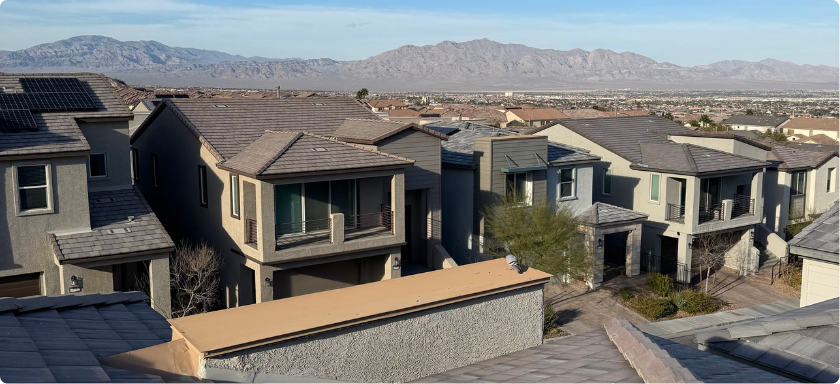
An older Las Vegas home can have a lot going for it. Established neighborhoods, mature trees, unique floor plans, and features you might not find in newer construction. But remember: a beautifully remodeled home isn't necessarily a well-maintained home.
Fresh paint and updated flooring can make a great first impression. They won't tell you how old the roof is, whether the air conditioner is struggling, or if that extra bedroom was added with the proper permits.
That's why I encourage buyers to look beyond the finishes and focus on the home's condition.
An older home doesn't have to be perfect to be a good purchase. You just need to understand what you're buying, what may need attention, and whether the price makes sense for the property's condition.
Here's what I'd look into before making an offer.
Why older Las Vegas homes can still be great buys
Older homes in Las Vegas cover a wide range, so no single rule fits all of them. What many share is location. Many sit in established parts of the Valley, closer in, on streets planned when land was less tight.
They can also give you more house or more land for the money, along with a layout you can adapt over time. If you are willing to update on your own timeline, an older home can be a smart way into a neighborhood that would cost much more in new construction. The goal is simply to know what you are buying so the price and your plan match reality.
Start with the systems, not the staging
Fresh paint, new flooring, and staged furniture are lovely, and they tell you almost nothing about the parts that cost real money. The systems come first. A tired kitchen is a preference. A roof or an air conditioner near the end of its life is a budget item.
So when you walk into an older home, try to look through the cosmetics. Ask how old the major systems are and whether they have been maintained. Then let a professional inspection confirm the details before you get attached.
The roof
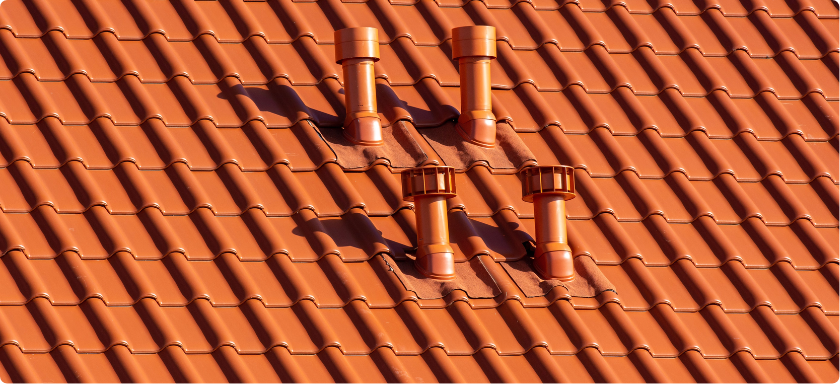
Our sun is hard on roofs, and the heat and UV in Southern Nevada can age roofing materials faster than they age in cooler climates. Depending on the age of the home, the roof may be original, or it may have been replaced once or twice.
Worth checking: when the roof was last done, whether there are any signs of leaks inside, and on tile roofs, the condition of the underlayment, which can wear out while the tiles still look fine from the street. A roofer or your inspector can tell you what you are really looking at.
AC and HVAC
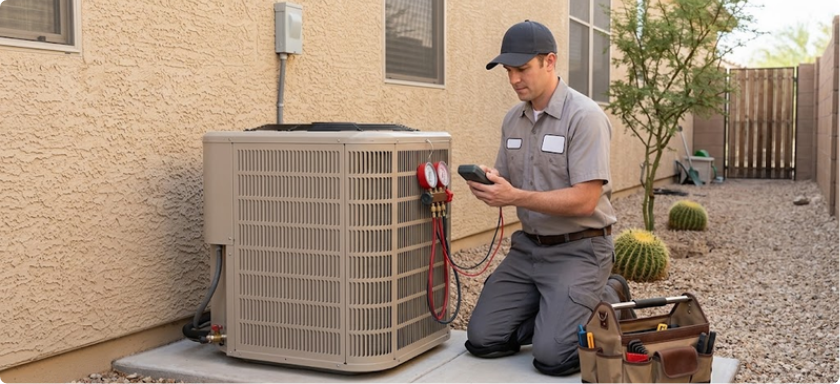
In Las Vegas, air conditioning is not optional, so the age and health of the system matter more here than in many markets. An older unit can still run fine, or it can be close to needing replacement, and you usually cannot tell from a quick look.
Ask how old the condenser and air handler are, whether the system has been serviced, and how the home cools on a hot day. If the seller has records, that helps. If not, your inspector can give you a read on the condition and what may be coming.
Plumbing
Plumbing in an older home can tell you how old it is. Depending on when the home was built, the supply lines, drains, and water heater may be original or updated, and our hard water is tough on fixtures and water heaters over time.
Worth checking: water pressure, how the drains run, any staining or corrosion around connections, and the water heater's age. If you notice slow drains or low pressure at a showing, make a note and have it looked at. Some older pipe materials are worth asking a qualified plumber or inspector about rather than guessing.
The electrical panel and wiring
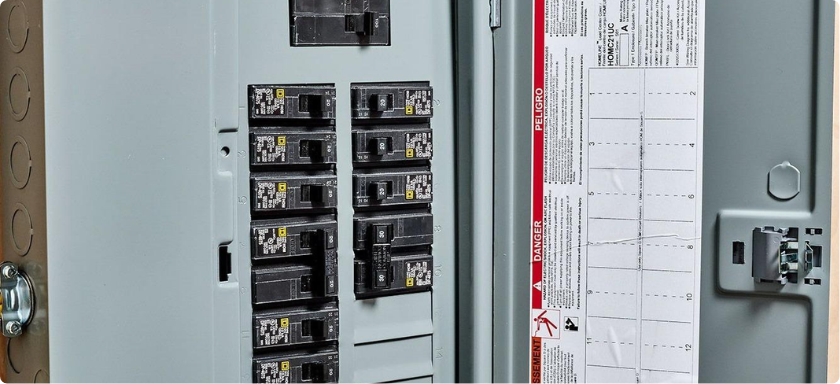
Electrical is one of the areas where an older home most often raises questions, and one where I lean on a professional rather than eyeball it. Depending on the age of the home, the panel and some of the wiring may be original.
Worth checking: whether the panel appears to be in good condition with capacity for how you will actually live, whether outlets are grounded, and whether protected outlets are present where you would expect them. Some older panels or wiring types can be a concern, so if anything looks dated, ask a qualified electrician or your inspector to weigh in before you assume anything.
Windows, doors, insulation, and energy efficiency
In our climate, how a home holds temperature affects both comfort and your utility bills. Older homes may have single-pane windows, original doors, or less insulation than a newer build, and that can show up on a summer power bill.
Worth checking: whether windows and doors seal and operate, whether you feel drafts or heat near them, and whether the attic looks reasonably insulated. None of this has to be a dealbreaker. It helps you plan upgrades and price them in.
Signs of water intrusion or past leaks
Water is worth paying attention to in any home, and it tends to leave clues. This is not about assuming the worst. It is about looking.
Worth checking: staining on ceilings or around windows, soft or patched spots, a musty smell, or fresh paint in one isolated area. If you see something, do not build a story around it; just flag it for your inspector so you get a real answer. Nevada's seller disclosure is also where known issues are meant to be noted, so it is worth reading closely.
Additions, conversions, and remodels
Older homes have often been changed over the years, and that can be a plus or a question mark. A converted garage, enclosed patio, casita, or room addition can add real usable space. It is worth knowing whether that work was permitted.
Unpermitted work is common and not automatically a problem, but it can affect appraisals, insurance, and what you are actually buying. Permit history can often be checked through the local building department, Clark County for unincorporated areas or the relevant city, and a good agent or inspector can help you look. This is also where my construction background helps me tell whether a remodel looks professionally done. For the flip side, from a seller's perspective, see What Should You Fix Before Selling a Home in Las Vegas?
Pools, if the home has one
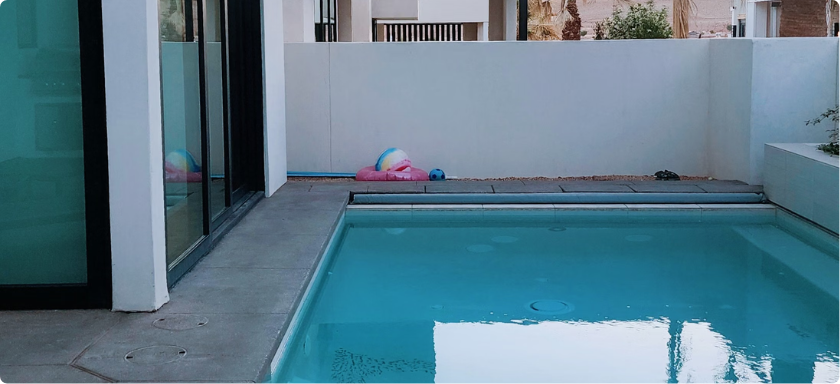
Plenty of older Las Vegas homes come with a pool, which can be wonderful and is also a system of its own. A well-maintained pool is a joy. One that has been neglected can mean real cost.
Worth checking: the age and condition of the equipment, the surface, and whether the pool has been kept up or left sitting. A separate pool inspection is often worth it so you know what you are taking on.
Desert landscaping and exterior condition
Curb appeal in the desert is its own thing. Look past whether it is pretty and notice the condition. Grading that sends water toward the house, cracked hardscape, or an irrigation system that has seen better days are all worth noting.
If the yard still has a lot of thirsty grass, that can be an opportunity as much as a chore. The Southern Nevada Water Authority runs a rebate that pays single-family homeowners a per-square-foot incentive to convert grass to water-efficient desert landscaping. Check current amounts and rules on the SNWA Water Smart Landscapes page before you plan.
What a showing will not tell you
“A staged, freshly painted home can hide the same questions a dated one wears on its sleeve. Judge an older home by its systems and its inspection, not its finishes. When something is beyond what you can see, that is exactly what a qualified inspector is for.”
Questions to ask before you make an offer
A few good questions will tell you most of what you need to know:
- How old are the roof, HVAC, and water heater, and have they been serviced?
- Has work been done to the home, and was it permitted?
- Are there any known leaks, past water issues, or major repairs?
- What does the seller disclosure say, and does anything on it need follow-up?
- If there is a pool, when was the equipment last serviced or replaced?
- What will an inspection, plus any specialist inspections, likely cost, and what is my plan if something comes up?
Good answers do not mean a home is perfect. They mean you can decide with clarity and price your offer with your eyes open.
When an older home is still worth pursuing
Here is the part people forget. A long inspection list is not the same as a bad house. Many older homes in the Las Vegas Valley are absolutely worth pursuing, especially when the location is right, the layout works, and the bones are good.
What matters is that the price reflects the condition and your plan. If you know the roof has a few years left, or the panel may need attention, you can factor that in rather than be surprised later. Often the homes with the most upside are the ones that needed a little work and rewarded the patience.
Frequently Asked Questions
Are older homes in Las Vegas a good investment?
They can be, depending on location, condition, and price. Older homes often offer larger lots and established neighborhoods that are hard to find in new construction. The key is matching the price to the real condition and getting a thorough inspection before you commit.
What should I check first when buying an older Las Vegas home?
Start with the major systems: roof, HVAC, plumbing, and electrical. Then look for signs of water intrusion and check the permit history on any additions or conversions. A professional inspection confirms the details a showing cannot.
Do I need a special inspection for an older home in Las Vegas?
A standard home inspection is the baseline. Depending on the home, you may also want specialists such as a roof, pool, HVAC, electrical, or sewer inspection. Ask your agent and inspector what makes sense for the specific property.
|
AR
|
REALTOR® | Love Las Vegas Realty
|
With 26 years of experience in real estate and construction here in the Las Vegas Valley, I see homes a little differently. I look beyond the beautiful photos and fresh paint to understand what really matters, from the quality of the construction to potential issues that could cost you down the road. My goal is to help you know exactly what you're buying, avoid expensive surprises, and make decisions you feel good about. No pressure, just honest advice and practical guidance every step of the way.
Built on Service. Backed by Experience.
Thinking About Buying an Older Las Vegas Home?
An older home can be a great opportunity when you understand its condition and what it may need down the road.
If you're considering a property in the Las Vegas Valley, I'd be happy to help you ask the right questions, evaluate your options, and connect with qualified professionals when a closer inspection is needed.
Let's find a home that makes sense for your plans, not just one that looks good in photos.
Call, text, or DM me to tour a home or to get added to my off-market property list.
Anetta Replogle, REALTOR®
LOVE LAS VEGAS REALTY | S.0183306

702-672-5646
Anetta@tlcnevada.com
VegasRealEstate411.com
Finding Las Vegas Hidden Gems, One Neighborhood at a Time.